
Interdisciplinary Center for Psychiatry, Psychotherapy and Philosophy
The mental health crisis is among the most serious, costly and urgent challenges facing humanity. It has medical, psychological, philosophical and socio-economic dimensions and must therefore be understood from a multidisciplinary perspective. At the Lemon Tree Center we address this complex challenge and develop novel answers by combining insights from psychiatry, psychotherapy and philosophy.

Combining three fields all in one place.
We believe that multiple perspectives are needed to address the mental health crisis. Psychiatry sees the person as a patient and thinks about them from a practical frame in the terms of medicine and neuroscience. Psychotherapy sees the person as a client and thinks about them in terms of the connection between psyche, the other and their environment. Philosophy sees the person as a human being and thinks about them in terms of their inevitable struggles with existence. The Lemon Tree Center offers a unique place where experts from these three fields exchange ideas, conduct research, and disseminate knowledge to promote discussion in wider society.
“Why have experts failed to transform the world of mental health?”
Lemon Tree
02
Sep
2026
The Psychedelic Renaissance: Rethinking Mental Suffering and Its Treatment
What can the psychedelic renaissance teach us about mental suffering — and about what it means to heal? Join the Lemon Tree Center for a two-day interdisciplinary webinar September 2nd and 3rd...
22
Jul
2026
Ontdek Even Denken
Come and visit us at one of our events.
From our own hosted expert meetings at the University of Amsterdam’s Institute of Advanced study to community-organised events, there is a wide variety of ways you can join in. Take a look at all there is to offer!
Take a look at what’s currently going on.
From cutting-edge research publications, to books, blogs and articles for a wider audience; there is something for everyone. We translate important ideas and findings from psychiatry, psychotherapy and philosophy to society. Take a look at all the things we’re currently working on and our appearances in various media outlets.


Stay Up-to-Date.
Never miss a thing by signing up to our newsletter. Get upcoming events, research opportunities and much more directly in your inbox.
Newsletter coming soon!
Meet our experts that enable fruitful collaboration.
The Lemontree Center was established by a grant from Amsterdam UMC to Prof Denys in 2024. The Lemontree is a unique university center that brings together experts from biological psychiatry, psychotherapy, philosophy and the social sciences.

Prof. Damiaan Denys
Head of Lemontree Center
Daminaan heads the Lemontree Center. He is a faculty professor of psychiatry at the University of Amsterdam (UVA) and has published more than 500 scientific articles; pioneered the…
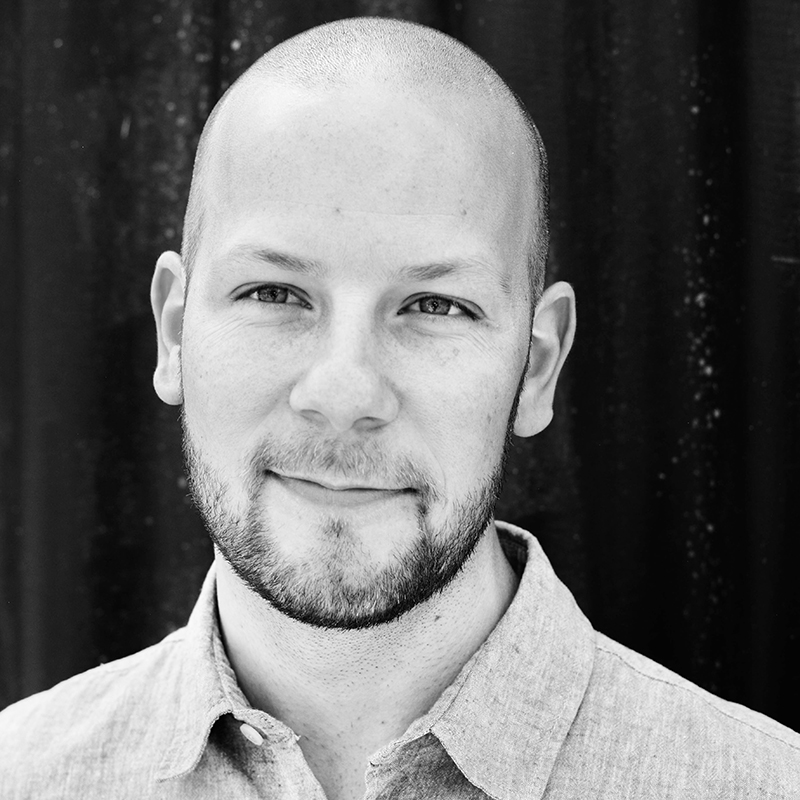
Dr. Roy Dings
Scientific Coordinator
Roy is the Scientific Coordinator at Lemontree Center. He obtained a PhD in the philosophy of psychiatry at Radboud University (NL) on the topic of ‘self-illness ambiguity’. He was a guest…

Dr. Julian Kiverstein
Senior Researcher
Julian is Senior Researcher at the Lemontree Center. His research continues the neurophenomenological research programme initiated by Francisco Varela in the 1990s combining…

Aros Salah
Creative Director
Aros is the Creative Director of the Lemontree Center. She is currently studying medicine at the University of Amsterdam and works at the Pedicatric Intensive Care Unit at the Amsterdam…
Advancement blossoms when we work towards a common goal.
Mental health is essential both to people’s lives, and more generally in society. Poor mental health negatively impacts our well-being, our ability to work, and our relationships with friends, family, and community. These problems have been increasing in recent years, both in the realm of normality (burnout, stress and loneliness) and abnormality (depression, addiction, psychosis). Worryingly, this increase is especially recognizable among young people.
The mental health crisis has multiple dimensions: medical, psychological, phenomenological, ethical, social, economic and political. Addressing this crisis from individual, isolated disciplines is therefore a flawed formula. To understand the root causes of the crisis and to develop an effective response will call for insights from multiple disciplinary perspectives that span medicine, the humanities and the social sciences.